Which Radiator Valve Do I Need?
LUXURY PLUMBING Radiator ValveFinder The Right Valve. First Time. Not sure which valve fits your radiator or towel rail? Answer

LOWEST PRICE GUARANTEE
Get the best price

SAME DAY RESPONSE
Mon-Fri: 9am-6pm, Sat: 10am-5pm

FREE UK DELIVERY
No hidden fees!
Get the best price
Mon-Fri: 9am-6pm, Sat: 10am-5pm
No hidden fees!
Turn Off Your Heating System
Radiators are a crucial part of your home’s heating system. Over time, air can become trapped inside them, causing inefficiency and uneven heating. Bleeding your radiators is an essential maintenance task to keep your heating system running efficiently. This guide will take you through the process step-by-step and help you know when it’s the right time to bleed your radiators.
Why Bleed a Radiator?
Before we dive into the process, it’s important to understand why bleeding your radiators is necessary:
When to Bleed a Radiator
You should bleed your radiators if you notice any of the following signs:
It’s also good practice to bleed your radiators at the beginning of the heating season.
Tools You’ll Need
Before you start, gather the following tools:
Step-by-Step Guide to Bleeding a Radiator
Step 1: Turn Off Your Heating System
Ensure your heating system is turned off and the radiators are cool to the touch. This prevents hot water from potentially causing burns.
Step 2: Locate the Bleed Valve
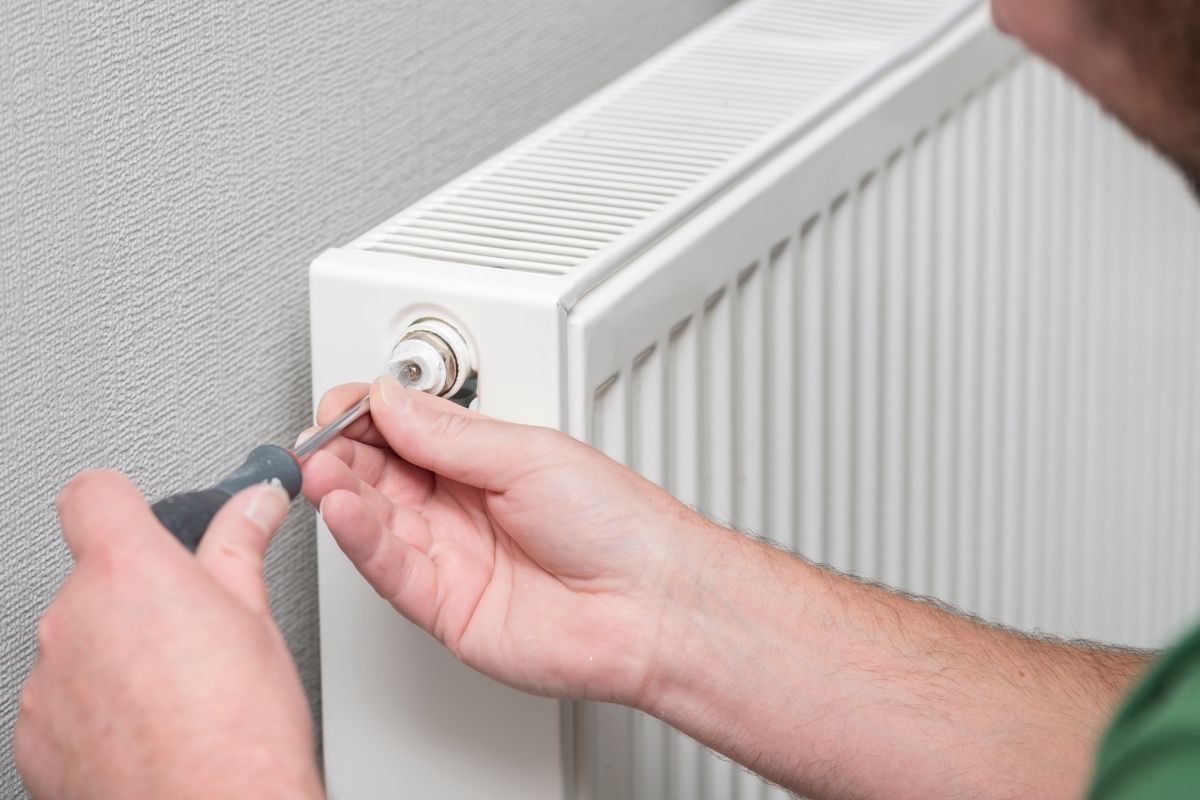
Find the bleed valve on your radiator. It’s usually located at the top corner. It looks like a small round hole with a square or slotted centre.
Step 3: Place a Towel and Bowl Under the Valve
Place a cloth or towel on the floor under the bleed valve to catch any drips. Position a small bowl or container under the valve to collect the water.
Step 4: Insert the Radiator Key
Insert the radiator key (or flathead screwdriver) into the bleed valve. Turn it anti-clockwise slowly. You should hear a hissing sound as the air escapes.
Step 5: Wait for Water to Escape
Once the hissing stops and water begins to escape steadily, tighten the valve by turning the key clockwise. Be careful not to over-tighten, as this can damage the valve.
Step 6: Check the Pressure Gauge
After bleeding the radiator, check your boiler’s pressure gauge. If the pressure is too low, you may need to top up your boiler.
Step 7: Turn the Heating System Back On
Turn your heating system back on and check if the radiator is heating evenly. If it’s still not heating properly, you might need to bleed it again or check for other issues.
Conclusion
Bleeding your radiators is a simple yet essential task to ensure your heating system operates efficiently. By following these steps, you can keep your home warm and cosy throughout the colder months. Remember to perform this maintenance regularly to prevent any long-term issues.
LUXURY PLUMBING Radiator ValveFinder The Right Valve. First Time. Not sure which valve fits your radiator or towel rail? Answer
Finding the right radiator size for your room is crucial for maintaining optimal comfort and energy efficiency. Our free BTU
Here at Luxury Plumbing we not only pride ourselves on stocking the best of the best when it comes to


Valves & Accessories